Briefly:
- A professional studio recording combines an acoustically treated space, high-quality equipment, and expert guidance.
- Using the right microphone, interface, and monitors determines the sound quality and your creative freedom.
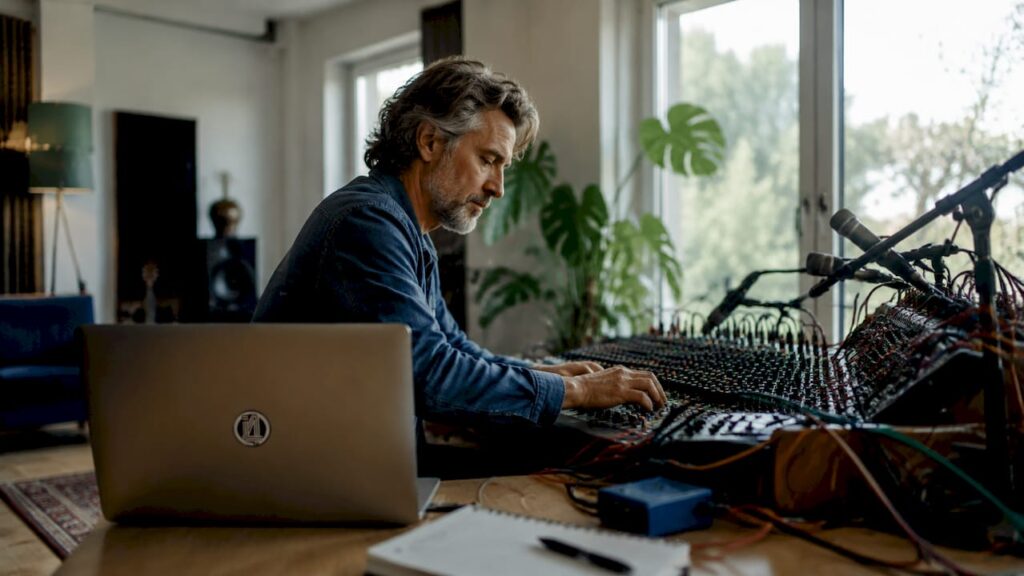
A studio recording is the professional capture of music in an acoustically treated room, using high-quality equipment and a controlled sound environment. The result is fundamentally different from a home recording without acoustic treatment: the sound is clearer, the dynamics are balanced, and the final product is ready for mixing and mastering. Whether you’re stepping into a recording studio for the first time or looking to deepen your knowledge, the choices you make before and during the session determine the quality of your recording. Professional production, the right microphones, and a well-treated room aren’t luxuries. They’re the foundation.
What equipment is essential for a good studio recording?
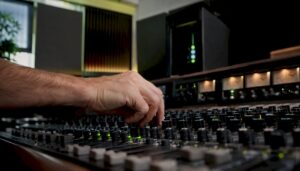
The core of any studio audio recording consists of three components: a microphone, an audio interface, and monitor speakers. Without these three, you cannot make a reliable recording. The choice and quality of each component determine how much of your musical performance actually ends up on the recording.
Microphones: The First Link
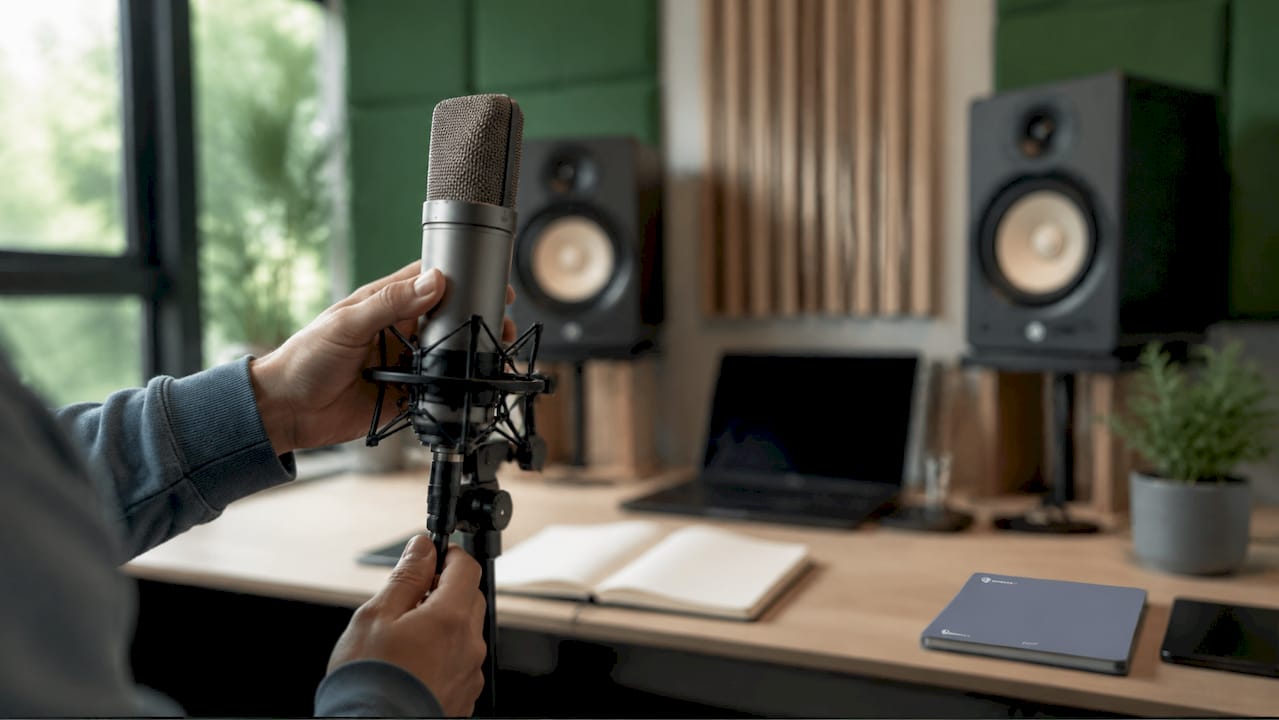
The microphone is the first point of contact between sound and the recording. For vocals and acoustic instruments, a large-diaphragm condenser microphone is the standard in professional studios. For drums and percussion, use dynamic microphones, which can handle higher sound levels without distorting. Ribbon microphones produce a warm, vintage sound and are ideal for brass instruments and guitar amplifiers.
- Large-diaphragm condenser microphone: suitable for vocals, acoustic guitar, and speech
- Dynamic microphone: reliable for drums, guitar amps, and live-style recordings
- Ribbon microphone: warm and detailed, ideal for wind instruments and strings
- Small condenser microphone: precise and fast, perfect for acoustic instruments and overheads
Audio Interface and Monitoring
An audio interface converts the analog microphone signal into digital audio that your computer can process. The quality of the preamps in the interface helps determine the noise level and dynamics of your recording. Monitor speakers, also known as studio monitors, provide a flat and accurate representation of the sound. They don’t color the signal, ensuring that your mix sounds good on any playback system.
Pro-tip: It’s better to invest in a good microphone than in extra accessories. A high-quality microphone in a well-treated room will give you better results than ten cheap microphones in an untreated room.
The studio recording equipment you choose doesn’t have to be the most expensive. What matters is the combination: a microphone, an audio interface, and monitors that work together in an acoustically optimized space.
How do studio acoustics affect sound quality?
Acoustic treatment significantly improves the results, even when working with less expensive equipment. An untreated room produces reflections, standing waves, and reverberation that cloud the recording. A professionally treated room eliminates these problems and gives you a clear, neutral sound.
Absorption versus diffusion
Acoustic treatment works through two mechanisms: absorption and diffusion. Absorption panels, such as foam or mineral wool, capture sound waves and convert them into heat. Diffusers disperse sound waves in multiple directions, making the room sound more lively without harsh reflections. The combination of both yields the best results.
| Treatment | How It Works | Application |
|---|---|---|
| Absorption | Absorbs sound waves | Corners, side walls, ceiling |
| Diffusion | Distributes sound evenly | Rear panel, mix position |
| Bass valve | Absorbs low frequencies | Corners of the room |
Acoustic wood and properly applied acoustic treatment are key to achieving a warm and clear sound during recording. This applies to both professional studios and home studios. A room equipped with movable acoustic panels can produce better-sounding recordings than a room full of expensive microphones without any acoustic treatment.
Pro-tip: Start by treating the corners of your room with bass absorbers. Low frequencies tend to build up in corners and cause the most problems when recording bass and drums.
- Use thick absorption panels at the first reflection points next to your speakers
- Place a diffuser on the back wall behind your listening position
- Avoid parallel walls without treatment: they create flutter echoes
- Check your room by taking a measurement using a measurement microphone and software such as Room EQ Wizard
For a comprehensive approach to your space, I4studio offers practical information on improving studio acoustics for both home studios and professional environments.
What recording techniques do you use in a professional studio?
The technique you choose determines how you structure the recording and how much flexibility you have during the mix. Professional engineers work with a set of methods that have been the standard in the music industry for decades.
Direct recording: The instrument or singer is recorded directly through a microphone or into the audio interface. This provides maximum control over the sound and is the most commonly used method for vocals, guitar, and keyboards.
Multi-tracking: Each instrument or vocal part is recorded on a separate track. This gives you the freedom to edit, mix, and correct each element independently without affecting the other tracks.
Overdubbing: After recording the basic track, you add additional layers, such as harmonies, solos, or percussion. Overdubbing is the standard method for building a complete production from a bare-bones base track.
Live band recording: all musicians play at the same time in the same room or in separate booths. This produces an energetic, organic sound but requires a well-equipped studio with multiple recording rooms.
Signal processing during recording: Compression and equalization can be applied during recording, but caution is advised. Once you’ve baked it into the recording, you can’t undo it later.
The principle “Don’t fix it in the mix” is the golden rule for every experienced engineer. A perfect source recording in an acoustically treated room is always better than a mediocre recording that you try to salvage later with effects. Superior production results from a combination of high-quality technology, experienced musicians, and musical intuition. Technology and creativity work together, not against each other.
The producer plays an active and guiding role during a session. A good producer can tell when a take is good enough and when a musician needs one more take. That decision directly affects the quality of the final result.
What is a typical studio recording session like?
A standard vocal recording session lasts about 60 minutes, including recording and mixing down to an MP3 file. This is a realistic timeframe for a single singer with prepared lyrics and an arrangement. More complex productions involving multiple instruments or vocal parts will, of course, take longer.
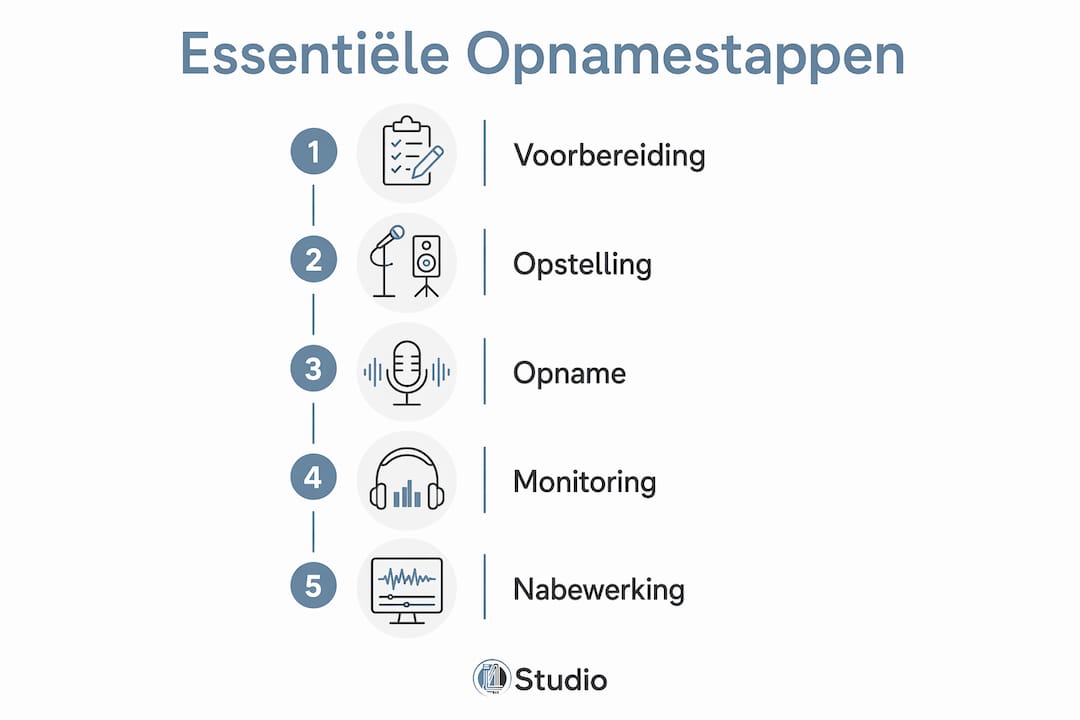
A typical session goes as follows:
- Preparation: The engineer sets up the microphones, checks the levels, and makes sure the recording environment is just right. The musician warms up and discusses the arrangement with the producer.
- Recording the base track: the first complete recording of the main instrument or lead vocals. Multiple takes are standard. The recording process includes leads, background vocals, and multiple takes to compile the best version.
- Overdubs: additional layers, such as harmonies, instrumental fills, or percussion, are added to separate tracks.
- Listening back and making adjustments: the engineer and musician listen back together and decide which takes are usable.
- Remote direction: Using SourceConnect, directors can listen in live and make adjustments without being physically present. This is now standard practice in professional sessions.
- Post-production: A recording is processed through editing, mixing, and mastering to prepare the final product for distribution.
Remote direction via SourceConnect or SessionLink is standard for professional directing sessions. Physical presence is no longer required. This saves travel time and opens the door to collaboration with producers and directors worldwide, without compromising sound quality.
Professional direction and guidance during a session ensure that musicians perform at their best. An experienced producer recognizes the perfect take, provides specific feedback, and keeps the energy high throughout the session. That is a skill that cannot be replaced by technology.
Key insights
A professional studio recording requires the right combination of acoustic treatment, high-quality equipment, and experienced guidance to achieve a final product that is ready for distribution.
| Item | Details |
|---|---|
| Acoustics First | Treat the room before you invest in expensive equipment; acoustics determine the tone. |
| Choosing a Microphone | Choose the microphone type based on the instrument: condenser for vocals, dynamic for drums. |
| Multi-tracking as the standard | Record each instrument on a separate track for maximum flexibility during mixing. |
| Remote control possible | Source-Connect enables professional remote monitoring without any loss of quality. |
| Post-production is essential | Editing, mixing, and mastering are standard steps following every recording session to ensure a final product ready for distribution. |
What I Would Do Differently After Years of Studio Experience
The biggest mistake I see musicians make is starting to record too soon. They book a studio, walk in full of enthusiasm, and start playing right away. But the preparation you do at home determines 80% of how the session goes. If your arrangement isn’t finalized, if your lyrics aren’t ready yet, or if your instrument isn’t properly tuned, you’re paying studio fees for problems you could have solved at home.
The second issue I see time and time again: musicians who underestimate the acoustics of the room. They invest in an expensive microphone but ignore the reflections in their recording space. Proper acoustic treatment pays off more than any microphone upgrade. That may sound counterintuitive, but it’s the reality of sound.
Remote production has fundamentally changed the way I work. In the past, a producer had to be physically present. Now, I use SourceConnect to collaborate with musicians in other countries in real time, with studio-quality sound. This has made it much easier to access professional guidance. That’s good news for anyone who wants to record seriously.
What I appreciate most about a good session is the moment when technique and musicality come together. The engineer makes sure the sound is right. The musician brings the emotion. The producer holds it all together. When those three roles are filled well, you can hear it immediately in the recording.
– harold
Professional studio gear for your recordings
Great recordings start with the right equipment. I4studio provides studio gear for musicians and producers who are serious about their craft, from beginners building their first setup to experienced producers expanding their studios.
Whether you’re looking for your first complete studio setup or acoustic panels to treat your space, at I4studio you’ll find the equipment that fits your recording needs. The “Studio Gear for Beginners” page provides a clear overview of what you really need to get started, without any unnecessary extras. For those who want to improve their room’s acoustics, I4studio also offers acoustic diffusers that make an immediate difference in your recording quality.
Frequently Asked Questions
What is the average cost of a studio recording session?
The cost of a studio recording session varies widely depending on the studio and location. A standard 60-minute vocal recording session, including mixing, is a common format, but hourly rates and packages vary by provider.
How long does an average recording session last?
A standard vocal recording session lasts about 60 minutes, including recording and mixing down to an MP3 file. More complex productions involving multiple instruments or vocals require multiple sessions.
What is remote directing during a studio recording?
Remote direction means that a producer or director uses software such as SourceConnect or SessionLink to listen in live and provide guidance without being physically present. This is now standard practice in professional recording sessions.
How important are acoustics for a good recording?
Acoustics are the most important factor in recording quality. Even with less expensive equipment, a well-treated room produces better results than expensive microphones in an untreated room.
What happens after admission?
Recording is followed by post-production: editing, mixing, and mastering. These steps are necessary to prepare the final product for streaming, radio, or physical distribution.
Recommendation
- Music Studio Essentials: The Complete Guide 2026
- Home Studio Setup Tips: Complete Guide To A Professional Studio At Home – https://i4studio.nl/
- Practical Home Studio Setup Ideas For Musicians And Producers – https://i4studio.nl/
- Recording Equipment For Home: Complete Guide For The Home Studio – https://i4studio.nl/