TRS or XLR? We’ll explain when to use which cable for microphones, studio monitors, and synths, and how to prevent hum and noise.
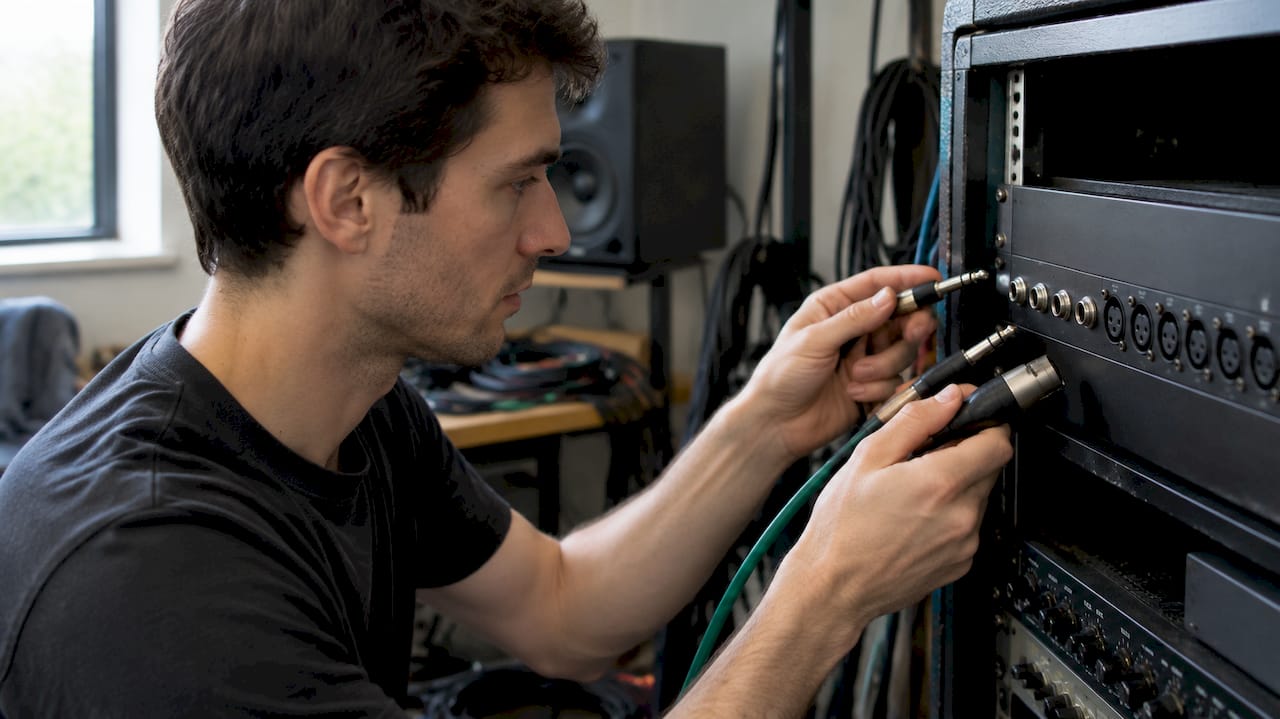

TRS or XLR? We’ll explain when to use which cable for microphones, studio monitors, and synths, and how to prevent hum and noise.
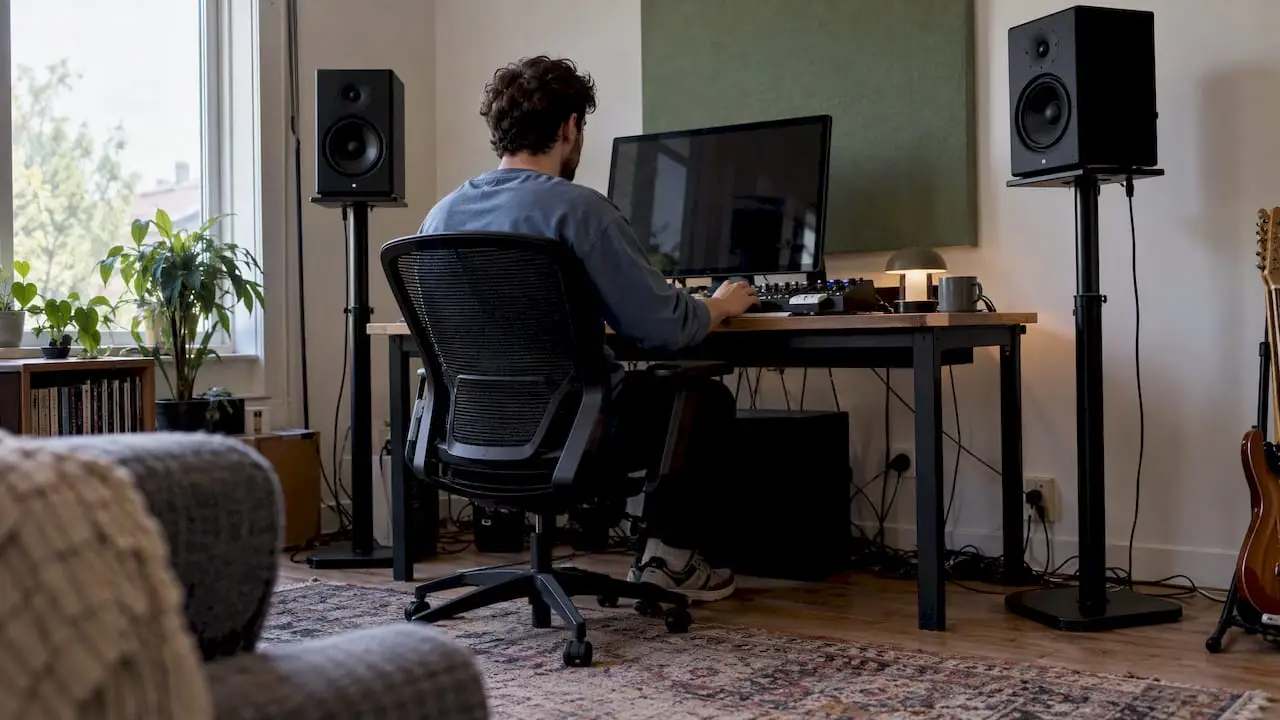
Choosing monitor stands for your studio: height, weight capacity, isolation, and placement clearly explained, with a step-by-step guide, comparison chart, and checklist.
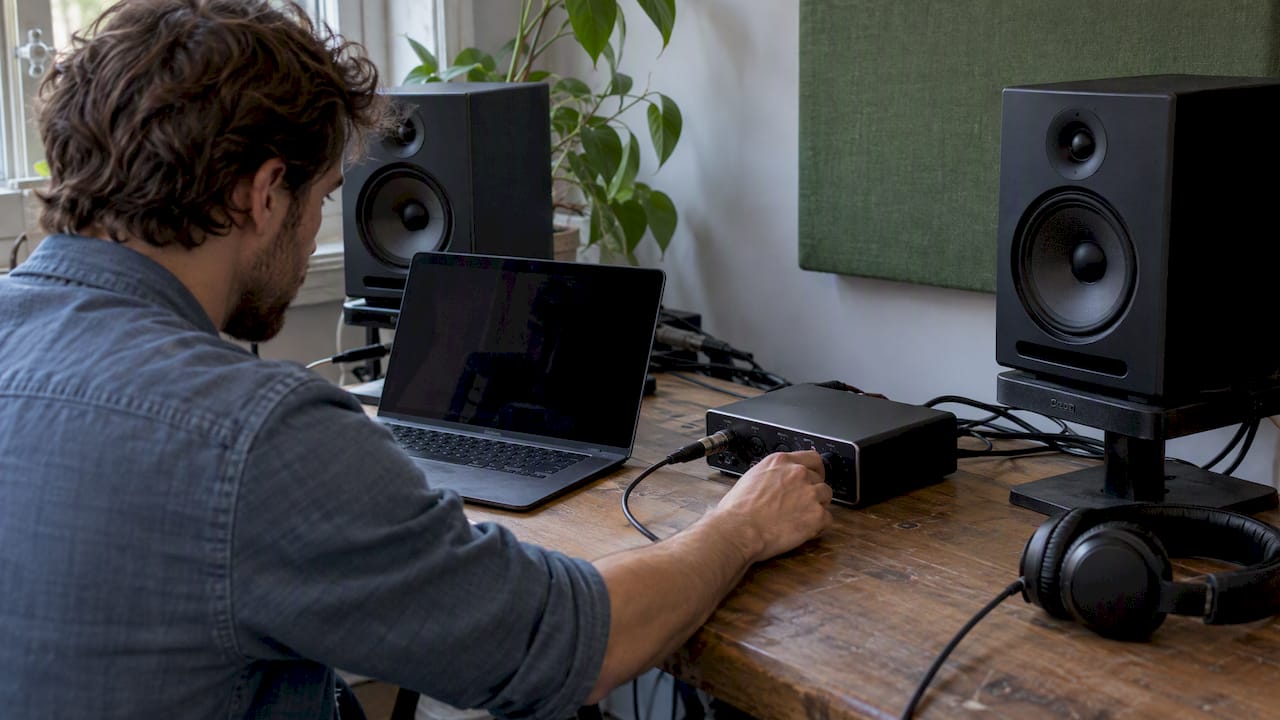
Do you hear a hum, hiss, or digital noise on your audio interface? Here’s a step-by-step guide to finding the cause and fixing it—from ground loops and USB issues to gain and Windows.
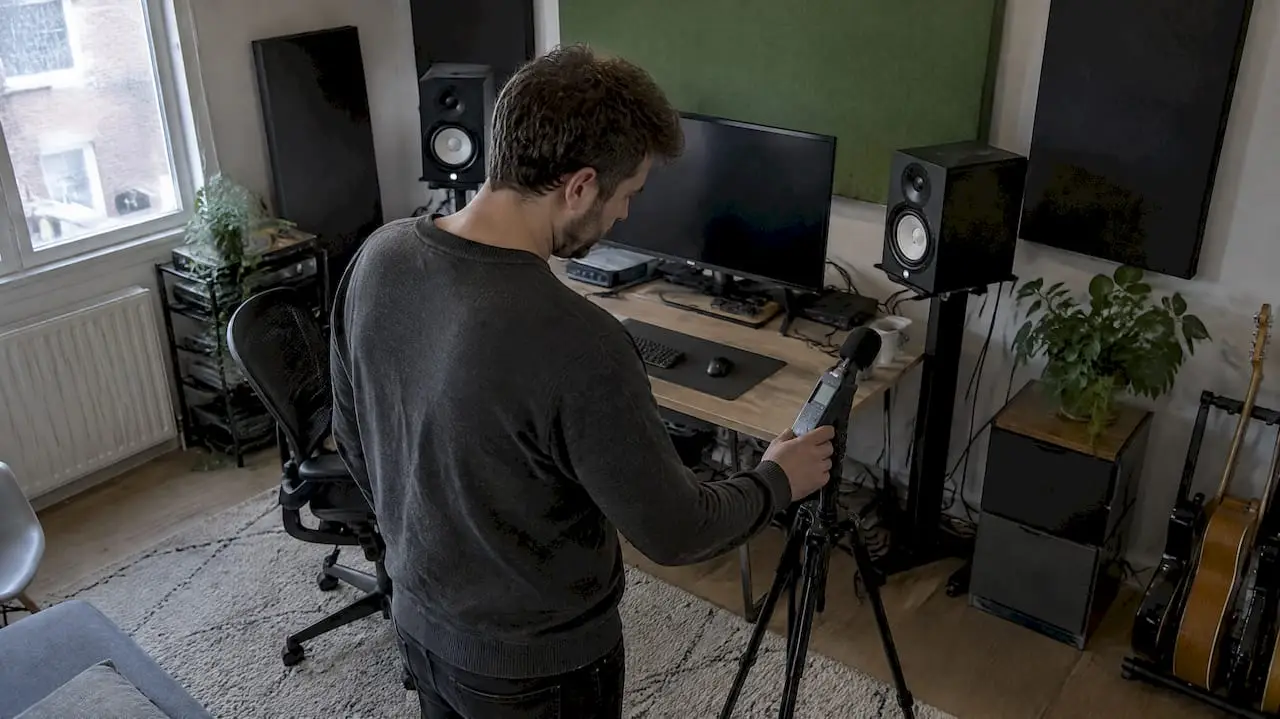
Discover the recommended guidelines for a home studio in the Netherlands: aim for 0.2–0.4 seconds of reverberation and approximately 20 dB(A). Measure, treat, and fine-tune.
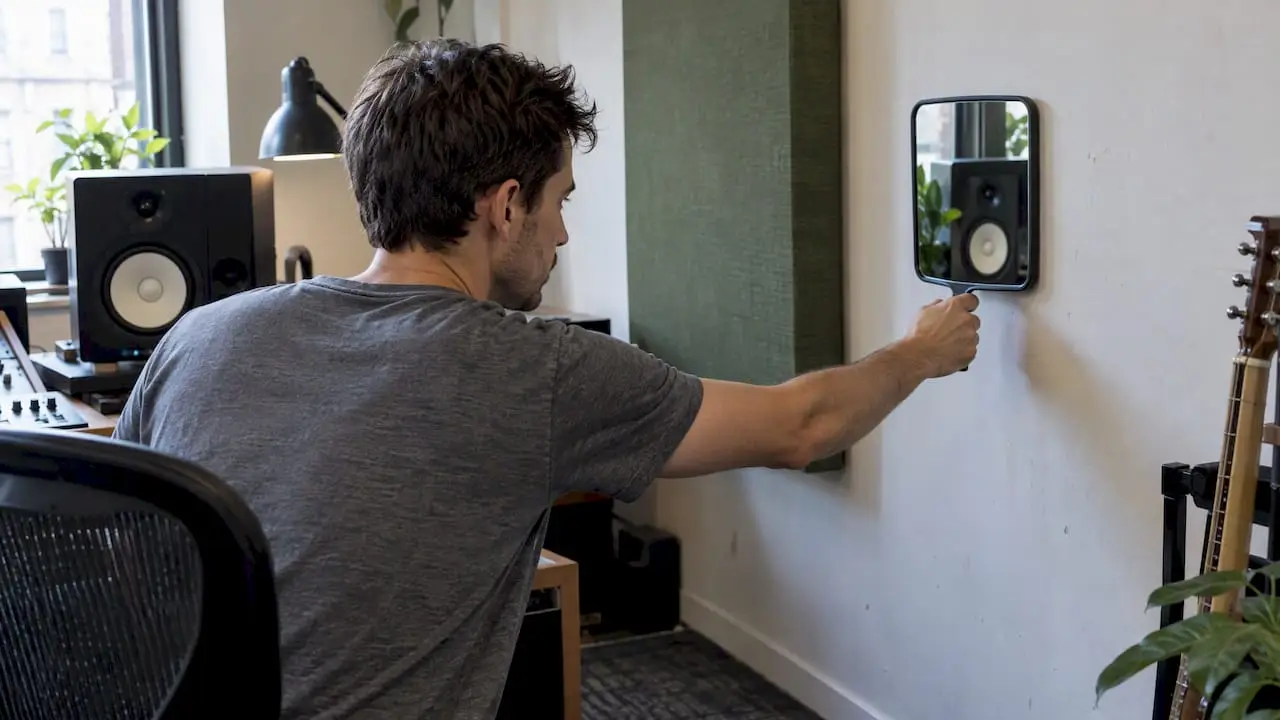
Learn to identify the primary reflection points in your studio using the mirror rule, and discover which surfaces to treat first to achieve a clearer soundstage.
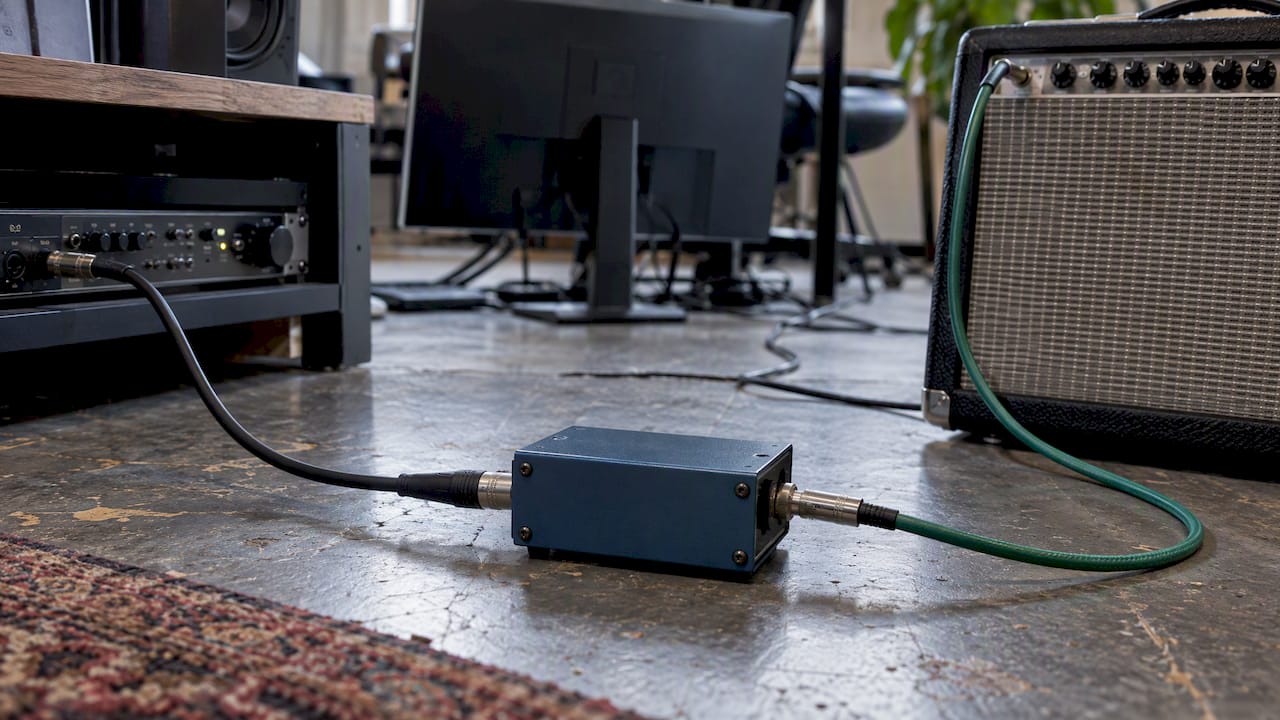
Learn how to use a reamp box to re-record a dry track from your DAW through an amplifier. Find out what equipment and cables you’ll need.
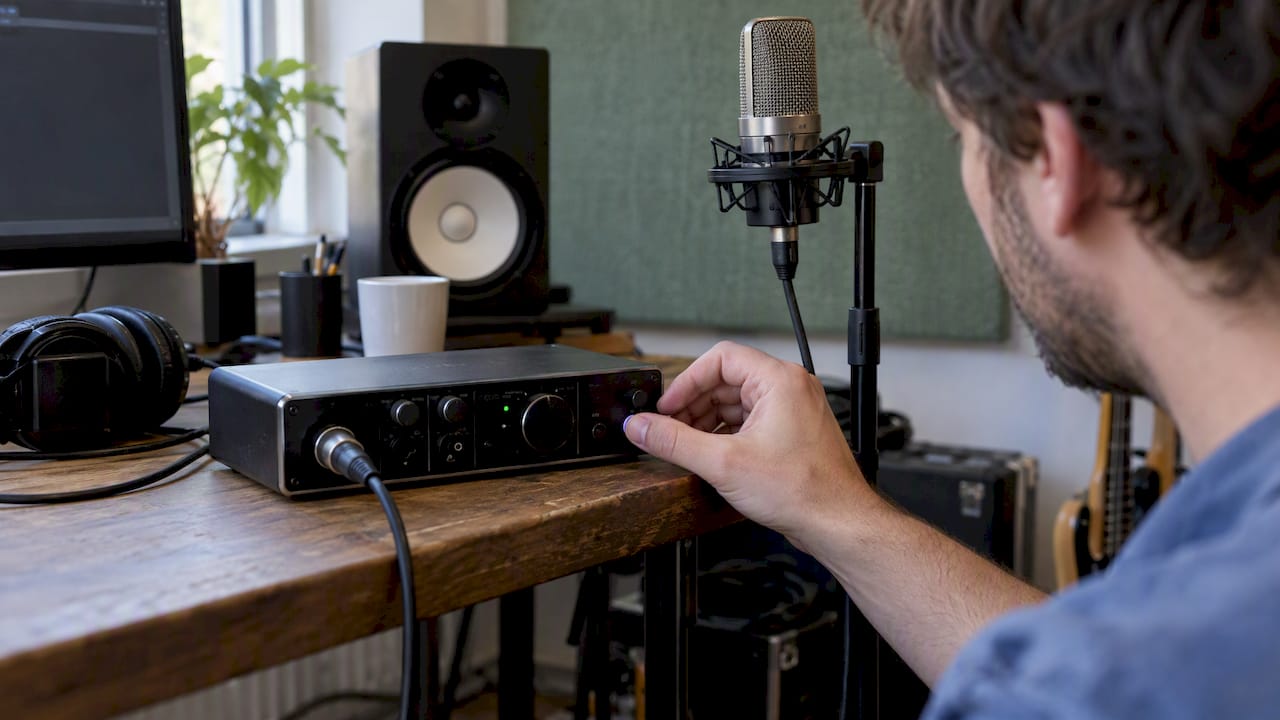
Learn how phantom power supplies power condenser microphones via an XLR cable, how 48 volts works, and how to safely turn on the power.
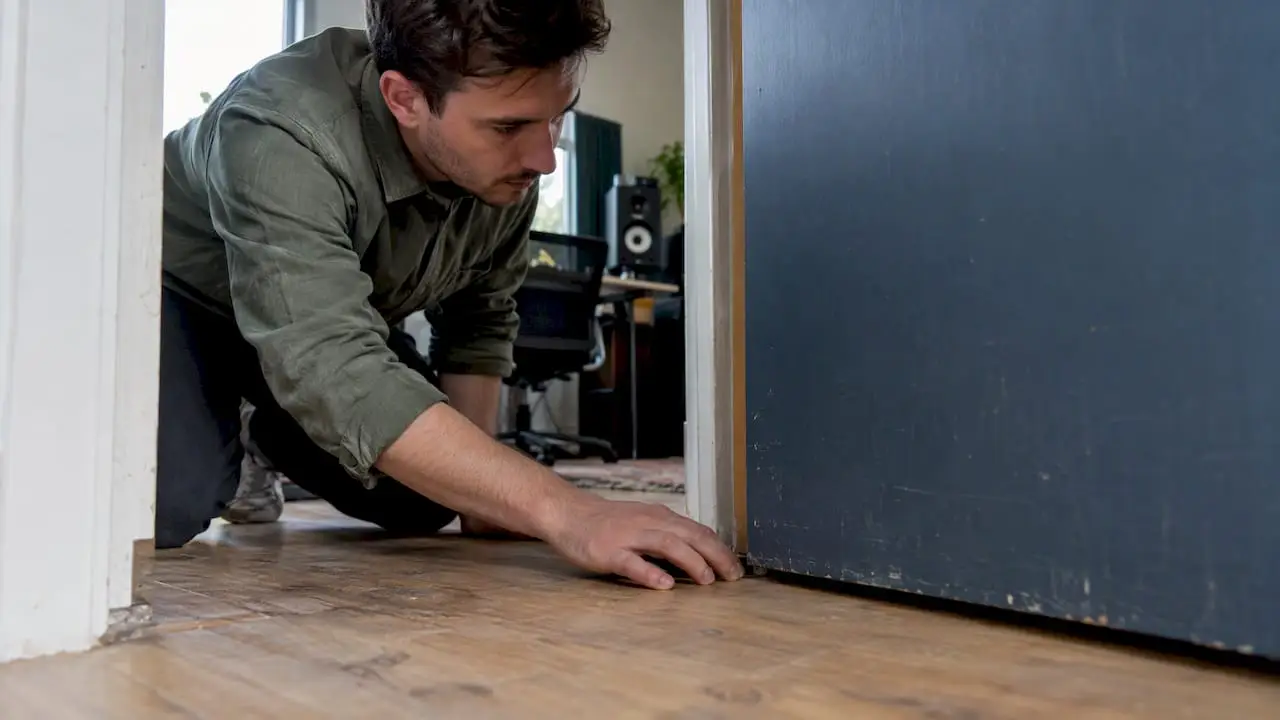
Identify sound leaks in your studio by testing windows, doors, and ventilation. Find out when a sound level meter is helpful and avoid unnecessary insulation costs.
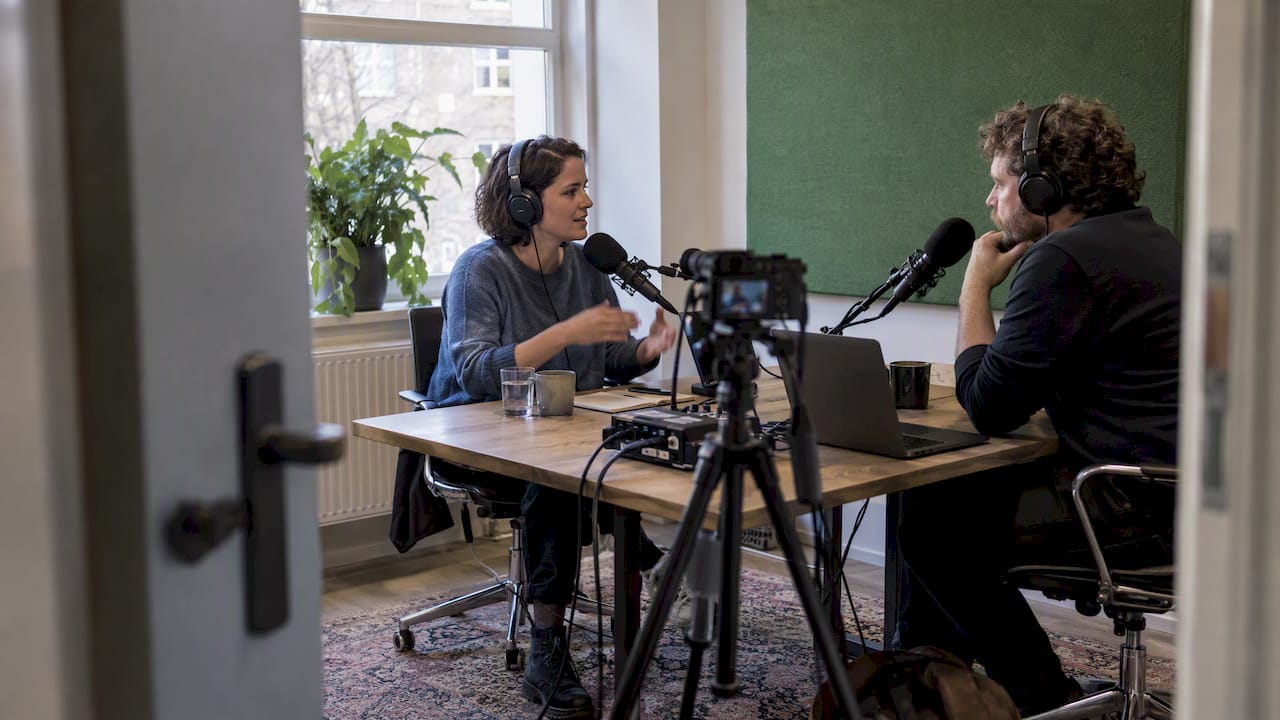
Find out what you need for a podcast studio with high-quality video and audio: choose the right microphone, recording equipment, headphones, and camera for your setup.
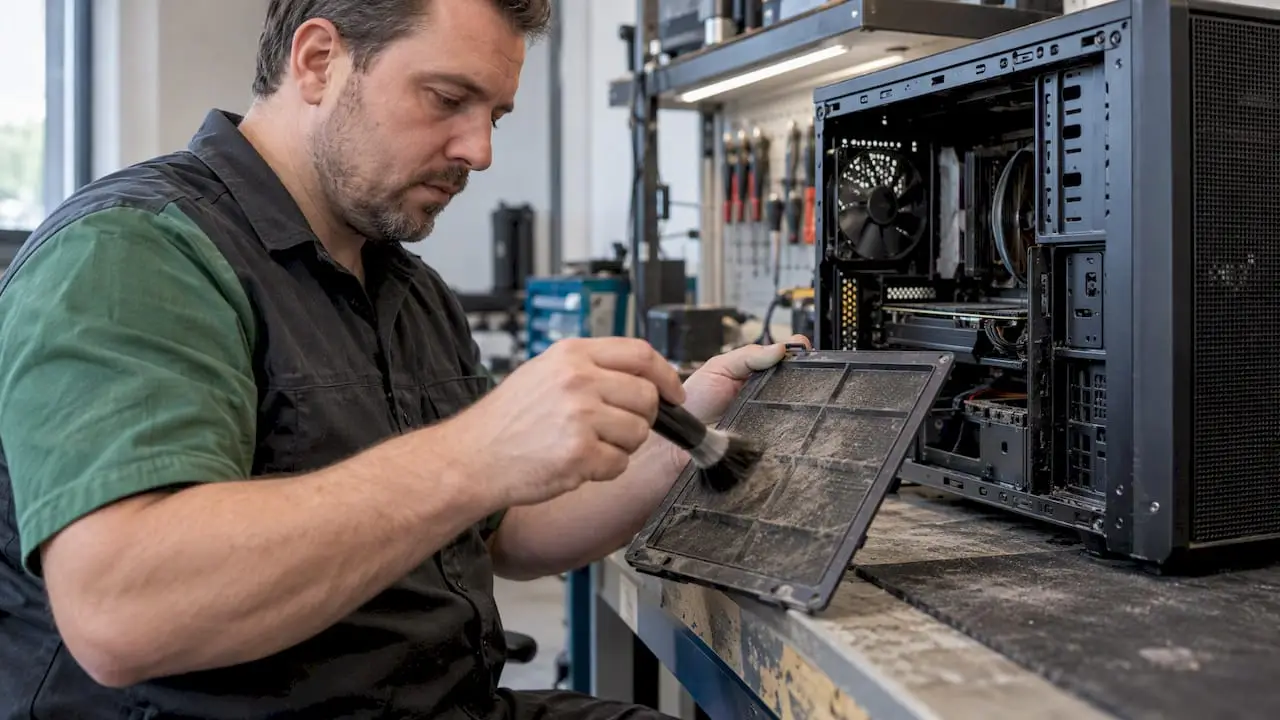
Proper computer maintenance prevents data loss, slow performance, and overheating. Learn how to safely clean your PC and keep it running smoothly for longer with a regular maintenance routine.

Een overzicht van trainers, nieuwe producten , testen, product reviews en zelfs aankoop advies en een Kennisbank.