Discover the recommended guidelines for a home studio in the Netherlands: aim for 0.2–0.4 seconds of reverberation and approximately 20 dB(A). Measure, treat, and fine-tune.
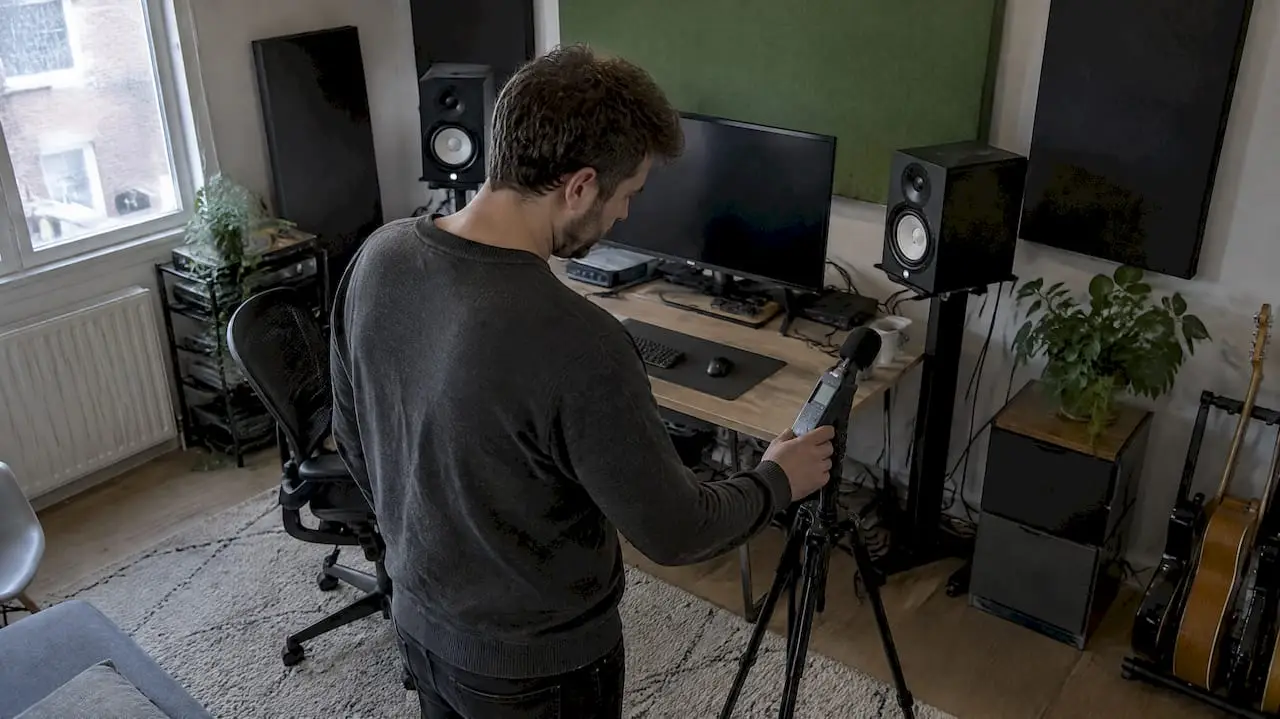

Discover the recommended guidelines for a home studio in the Netherlands: aim for 0.2–0.4 seconds of reverberation and approximately 20 dB(A). Measure, treat, and fine-tune.
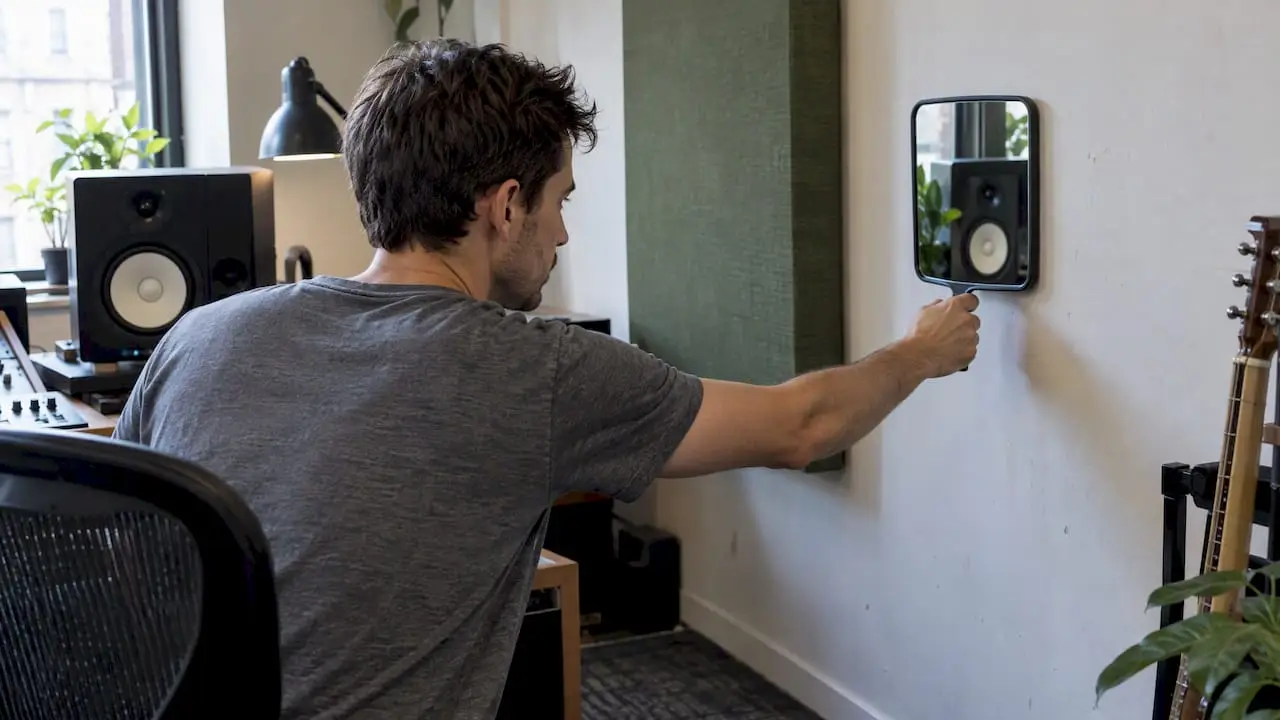
Learn to identify the primary reflection points in your studio using the mirror rule, and discover which surfaces to treat first to achieve a clearer soundstage.
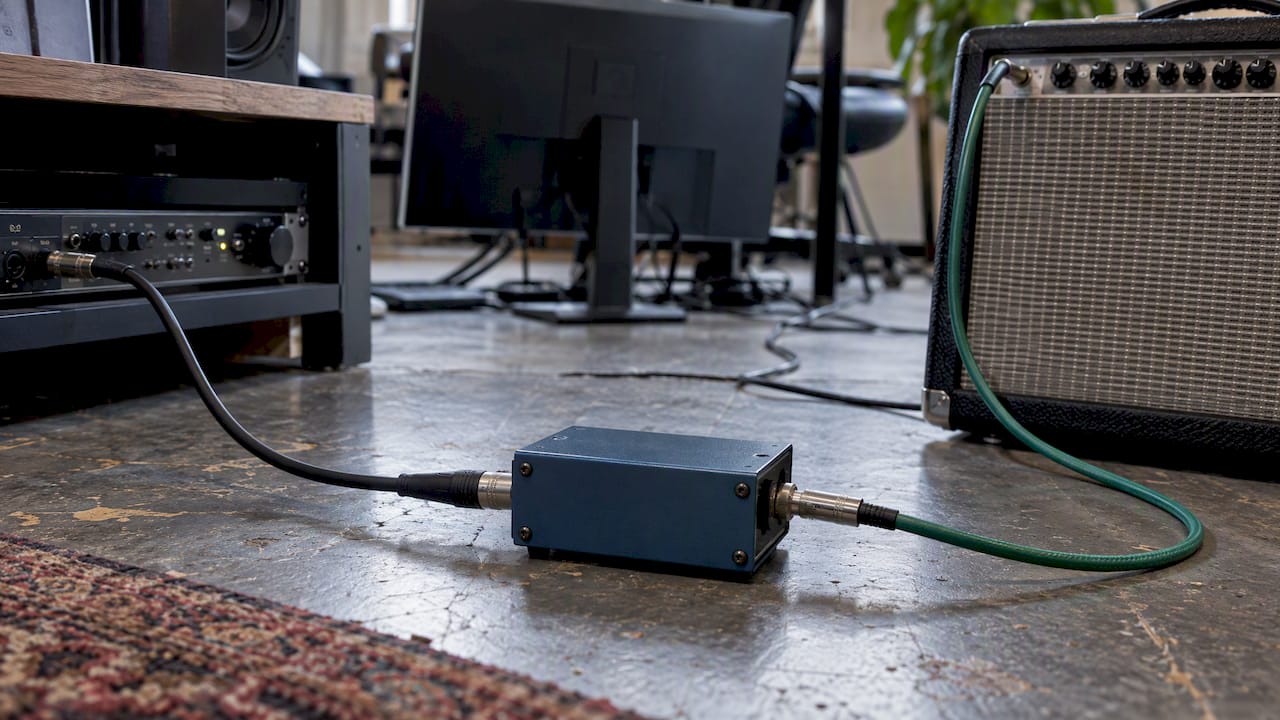
Learn how to use a reamp box to re-record a dry track from your DAW through an amplifier. Find out what equipment and cables you’ll need.
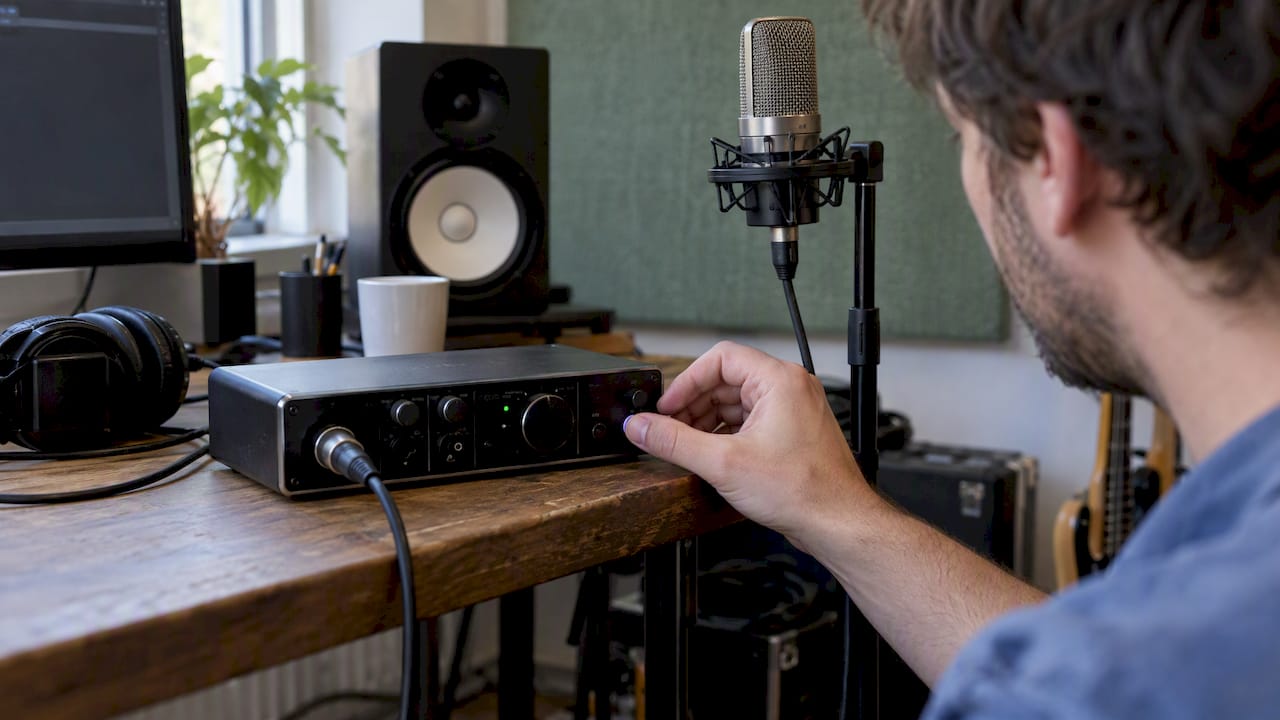
Learn how phantom power supplies power condenser microphones via an XLR cable, how 48 volts works, and how to safely turn on the power.
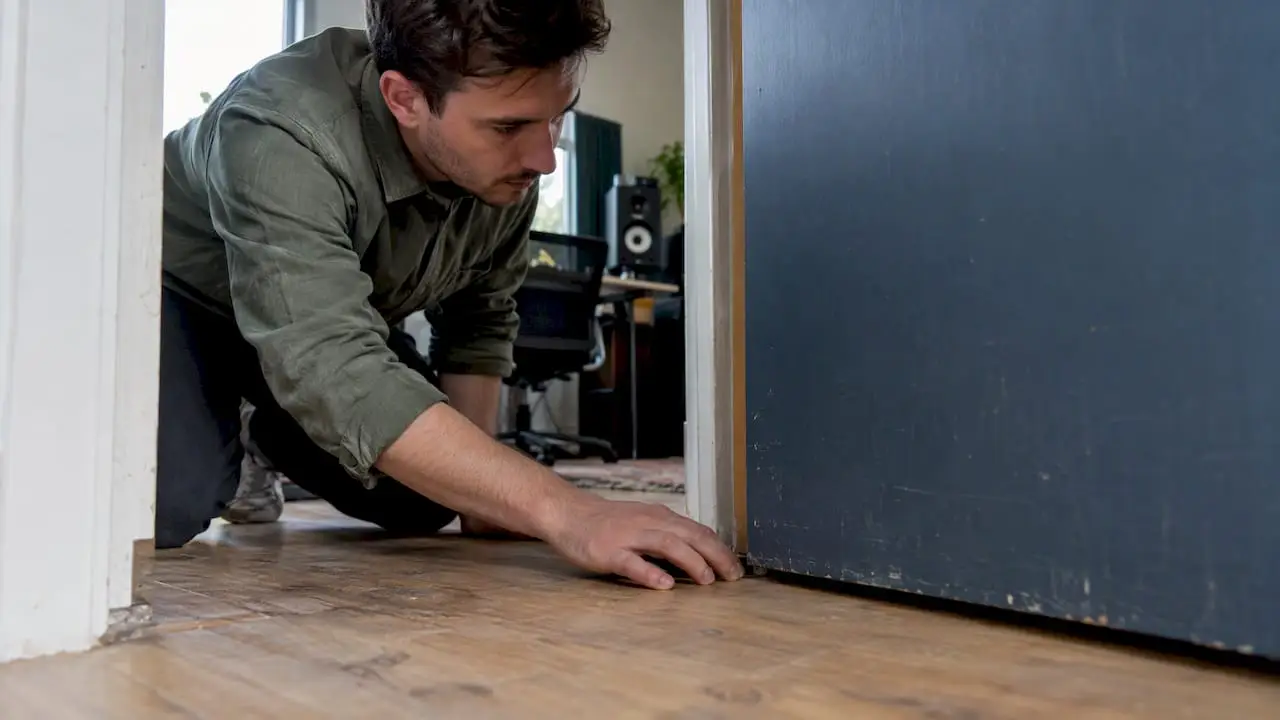
Identify sound leaks in your studio by testing windows, doors, and ventilation. Find out when a sound level meter is helpful and avoid unnecessary insulation costs.
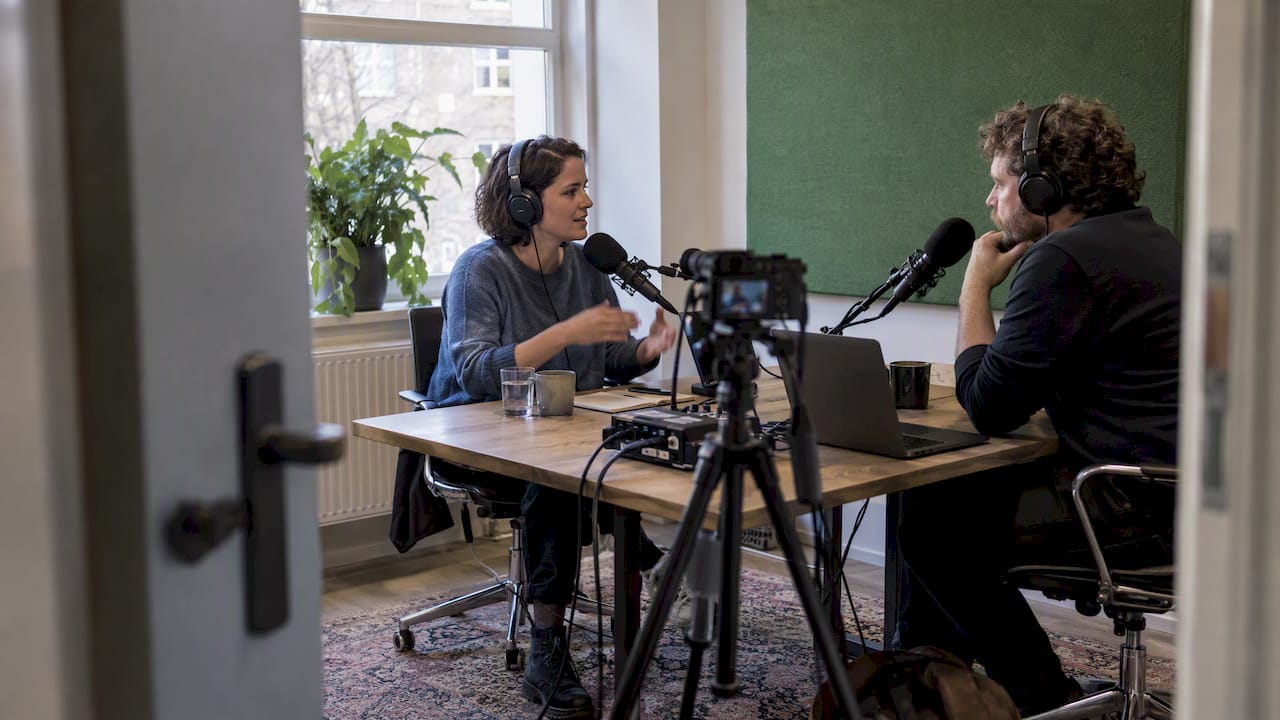
Find out what you need for a podcast studio with high-quality video and audio: choose the right microphone, recording equipment, headphones, and camera for your setup.
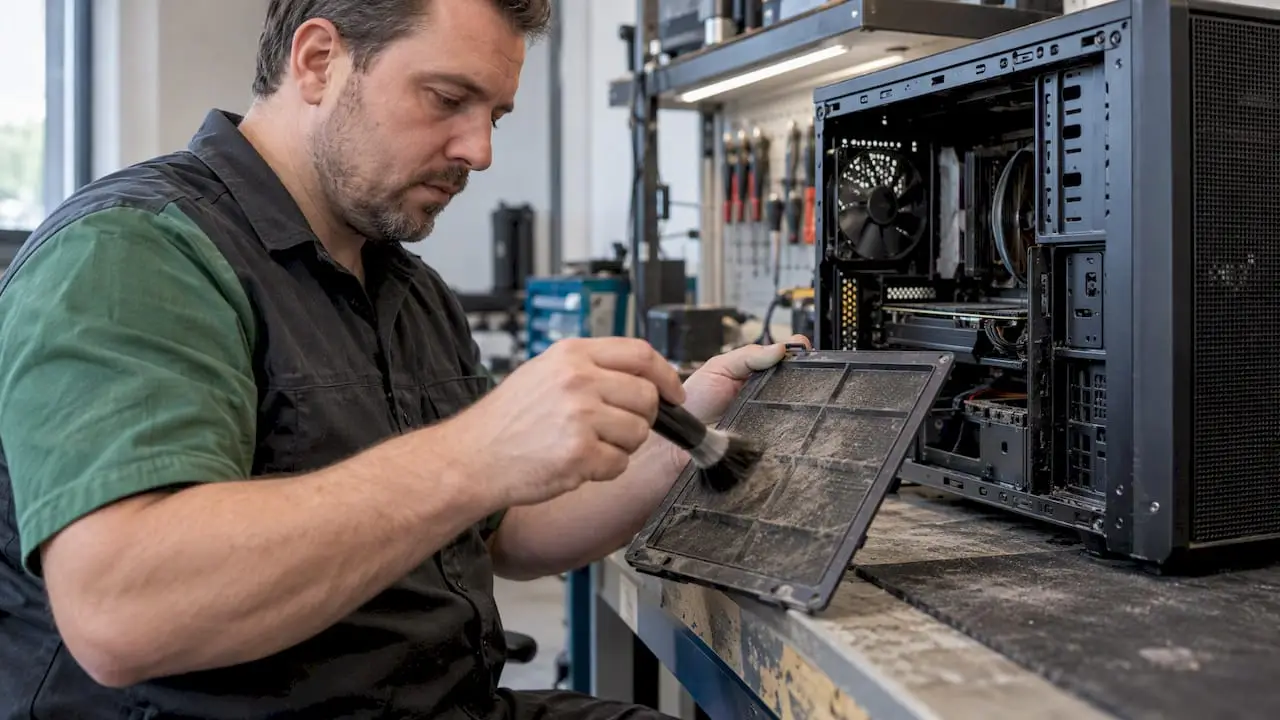
Proper computer maintenance prevents data loss, slow performance, and overheating. Learn how to safely clean your PC and keep it running smoothly for longer with a regular maintenance routine.
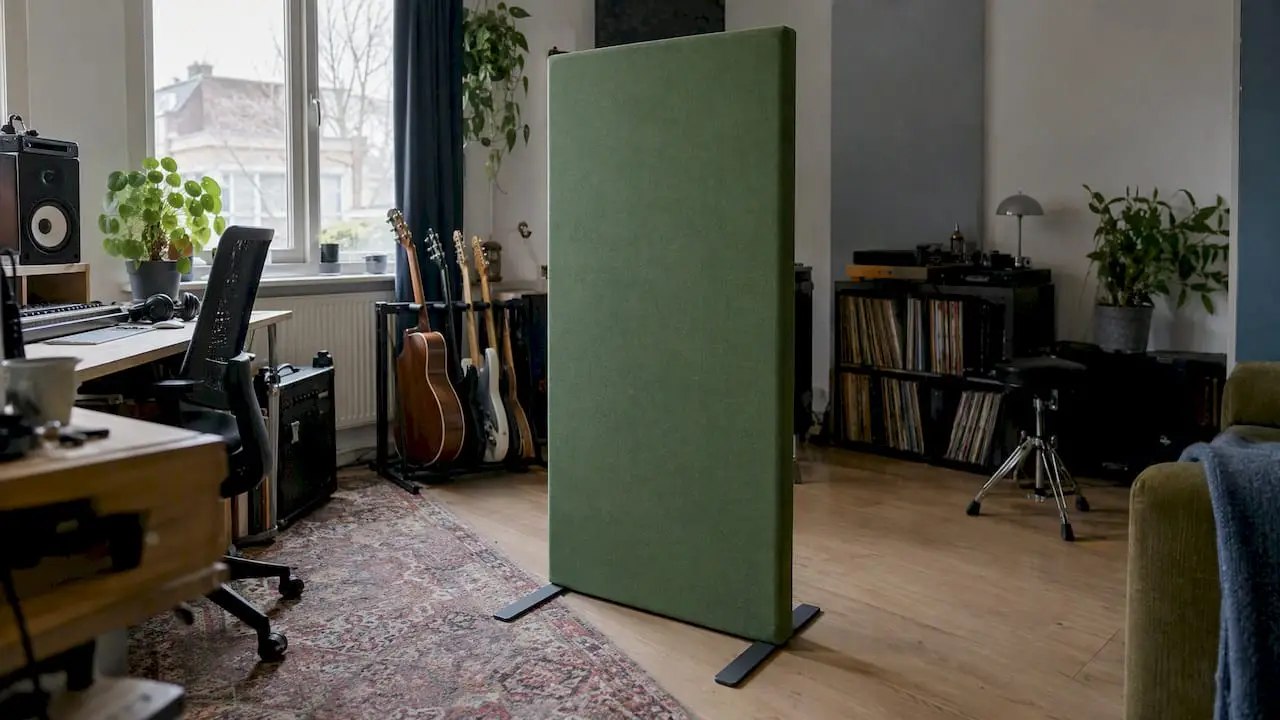
Improve the acoustics in your rental home without drilling holes—using wall panels, heavy curtains, and freestanding screens. Find out what reduces reverberation—and what doesn’t.

Have a local studio undergo a professional acoustic measurement to determine the reverberation time, Schroeder frequency, and ideal panel placement, all documented in a clear measurement report.

Calibrate your studio monitors using -20 dBFS pink noise and a measurement microphone: range 79–85 dB SPL, measure the frequency response with Room EQ Wizard, and adjust…

Een overzicht van trainers, nieuwe producten , testen, product reviews en zelfs aankoop advies en een Kennisbank.