
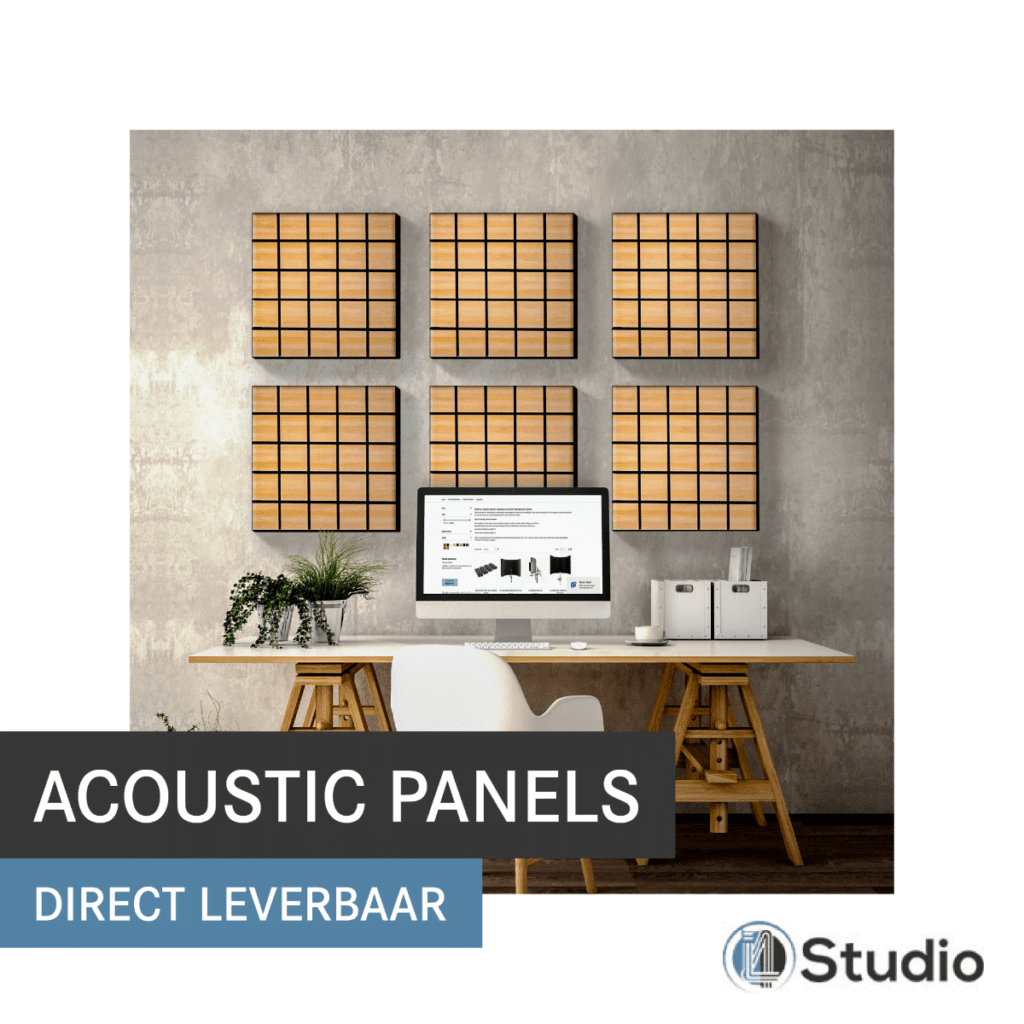
In a world full of noise and bustle, creating a calming environment is essential. Acoustic wall panels offer the perfect solution to transform your space into a soundproof oasis. Whether you want to furnish a home office, a musical studio or a cozy living room, these panels combine functionality with style. They not only reduce annoying noises, but also add an aesthetic element to your interior. In this article you will discover the latest tips and trends in acoustic wall panels, from materials and designs to installation instructions. Get inspired and learn how to optimize your space for better soundproofing and a more pleasant atmosphere. Transform your space and enjoy the peace and quiet you deserve!
What are acoustic wall panels?
Acoustic wall panels are specially designed panels that absorb sound to improve the acoustics of a room. They are made of materials that can dampen sound waves, such as foam, fabric, wood or mineral wool. These panels are often used in spaces where sound quality is important, such as recording studios, offices, meeting rooms and living rooms. Because of their sound dampening properties, they help reduce echoes, reverberation and unwanted noise, creating a quieter and more pleasant soundscape.
The use of acoustic wall panels is not limited to professional environments. More and more people are discovering the benefits of acoustic panels for home use. Whether you want to create a quiet place to work, set up a home theater or simply improve the sound quality in your living room, acoustic wall panels can be a valuable addition. Plus, these panels come in a variety of styles, colors and designs, so they also add aesthetic value to your interior.
One of the main features of acoustic wall panels is their versatility. They can be easily attached to walls or ceilings and are suitable for both small and large spaces. With a variety of available materials and designs, you can always find a solution that fits your specific acoustical needs and the aesthetics of your space. With the right acoustic panels, you can create an environment that not only sounds better, but also looks better.
Benefits of acoustic wall panels
The use of acoustic wall panels offers numerous benefits, both practical and aesthetic. One of the main benefits is the improvement of sound quality in a room. By absorbing and dampening unwanted sounds, acoustic panels help improve the clarity of speech and music. This is particularly useful in spaces where good sound reproduction is essential, such as recording studios, theaters, meeting rooms and classrooms.
Another important benefit of acoustic wall panels is noise reduction. In busy offices or shared living spaces, outside sounds such as traffic, neighbors or construction noise can be distracting. Acoustic panels help reduce these sounds, creating a quieter and more comfortable living or working environment. This can not only improve productivity and concentration, but also contribute to better sleep and overall well-being.
In addition to their functional benefits, acoustic wall panels also contribute to the aesthetics of a room. Modern acoustic panels are available in a wide range of designs, colors and textures, allowing them to serve as decorative elements that enhance the overall look of a room. Whether you choose a sleek and minimalist design or colorful and artistic panels, there are countless options for making your space soundproof in a stylish way.
How do acoustic wall panels work?
Acoustic wall panels work by absorbing and diffusing sound waves, reducing reverberation and echo in a room. When sound waves hit a surface, they are reflected, absorbed or transmitted. Acoustic panels are designed to absorb a large portion of these sound waves, reducing sound reflection and making the room quieter. This happens because of the specific properties of the materials from which the panels are made.
Most acoustic panels are constructed of materials with an open cell structure, such as foam or mineral wool. These materials are able to capture and dampen sound waves by absorbing the energy of the waves and converting it into heat. This process helps to lower sound pressure levels in a room and reduce unwanted reflections. This improves the overall sound quality and creates a more pleasant acoustic environment.
In addition to absorption, acoustic panels can also be used to diffuse sound. Diffusion panels are specially designed to spread sound waves evenly throughout the room, reducing hotspots of sound and creating a more uniform sound reproduction. This is especially useful in spaces where balanced sound distribution is important, such as concert halls and home theaters. By using a combination of absorption and diffusion techniques, acoustic wall panels can provide significant improvements in acoustics in a variety of room types.
Types of acoustic wall panels
There are several types of acoustic wall panels available, each with their own unique properties and applications. One of the most common types are absorption panels, which are designed to absorb sound waves and reduce reverberation. Usually made of materials such as foam, fabric or mineral wool, these panels are often used in recording studios, offices and living rooms to improve sound quality.
Diffusion panels are another type of acoustic wall panel that diffuses sound waves rather than absorbs them. These panels are designed to spread sound evenly throughout a room, reducing hotspots of sound and creating a more balanced acoustic environment. Diffusion panels are often used in concert halls, theaters and home theaters to achieve even sound reproduction. They can also be an aesthetic addition to a room, as they are available in a variety of designs and patterns.
A third type of acoustic wall panel is the bass trap panel, which is specifically designed to absorb low frequencies. Bass stairs are particularly useful in rooms where low frequencies are an issue, such as recording studios and home theaters. These panels help to reduce unwanted resonances and standing waves, creating a tighter and clearer bass response. By using a combination of absorption, diffusion and bass panels, you can create a comprehensive acoustic solution tailored to the specific needs of your space.
Tips for choosing the right panels
Choosing the right acoustic wall panels for your space can be challenging, given the many options available. An important tip is to first evaluate the specific acoustical needs of your space. Consider the primary function of the space and the types of sounds you want to absorb or diffuse. For example, in a recording studio you may want to primarily reduce reverberation, while in a home theater you want to achieve balanced sound reproduction.
Another important consideration is the aesthetics of the panels. Acoustic wall panels are available in a variety of styles, colors and materials, so it is important to choose panels that match the decor of your space. Consider how the panels will integrate with existing furniture and decorations. Some panels can even be customized to meet your specific design requirements, allowing you to create a seamless and attractive acoustic solution.
In addition, it is helpful to consider the installation requirements of the panels. Some acoustic panels are easy to install yourself using glue or mounting strips, while others may require professional installation. Make sure you understand the installation instructions and any required tools or materials before making your choice. By carefully considering these factors, you can choose the right acoustic wall panels that are both functional and visually appealing for your space.
Trends in acoustic design
Acoustic design is constantly evolving, and there are several emerging trends that combine both aesthetics and functionality. One notable trend is the use of natural materials such as wood and bamboo in acoustic panels. These materials not only offer excellent sound dampening properties, but also add a warm and organic feel to the space. Wood acoustic panels can be made in a variety of finishes and patterns, making them a versatile choice for modern interiors.
Another trend is the integration of art and acoustics. More and more designers are creating acoustic panels that also serve as works of art. These panels can be printed with colorful patterns, photographs or graphic designs, making them a visual focal point in a room. These artistic acoustic panels are ideal for spaces where both aesthetics and sound quality are important, such as galleries, offices and living rooms. They offer a creative way to integrate acoustic solutions without compromising on style.
Modular and customizable acoustic systems are also on the rise. These systems consist of several panels that can be easily combined and customized to meet the specific acoustical needs of a room. Modular panels are not only practical, but also offer flexibility in design and installation. They can be easily moved or reconfigured, making them an ideal solution for spaces that are regularly reconfigured or used multi-functionally.
Installation of acoustic wall panels
Installation of acoustic wall panels can vary depending on the type of panel and the specific room in which they are used. One of the first steps in installation is to determine the optimal location for the panels. This can vary depending on the acoustical needs of the space. For example, in a recording studio, you’ll want to strategically place panels to minimize reflections from walls and ceilings, while in an office environment you’ll want to place panels to reduce outside noise.
There are several methods for installing acoustic wall panels, depending on the type of panel and substrate. Many panels can be easily attached using glue, mounting strips or Velcro. This makes installation quick and easy, with no special tools or skills required. However, heavier or larger panels may require the use of screws, dowels or other fasteners to ensure that the panels remain securely and firmly attached to the wall.
It is also important to consider the aesthetics of the installation. Make sure the panels are placed evenly and symmetrically to create a visually appealing and professional look. Carefully measure and mark the location of each panel before beginning the installation to ensure they are aligned correctly. By paying attention to both the functional and aesthetic aspects of the installation, you can ensure that your acoustic wall panels are effective in improving sound quality while also looking good.
Maintenance and care of acoustic panels
Maintenance and care of acoustic wall panels are essential to maintain their effectiveness and aesthetic appeal. One of the most important aspects of maintenance is regular cleaning of the panels to remove dust and dirt. Depending on the material of the panels, you can use a soft brush, vacuum cleaner with a brush nozzle or a damp cloth to remove surface dirt. Avoid using harsh cleaning agents or abrasive materials, as they can damage the panels.
With fabric acoustic panels, it is important to take extra care when cleaning. Dust and dirt can accumulate in the fibers of the fabric, which can reduce its sound-absorbing properties. A vacuum cleaner with a brush nozzle is often the best choice for cleaning fabric panels. For stubborn stains, you can use a mild detergent and a soft cloth, but be sure to test the detergent on an inconspicuous area first to avoid damage.
In addition to cleaning, it is also important to regularly inspect the panels for signs of wear or damage. Check the fixings to make sure the panels are still securely attached to the wall. If you notice signs of damage, such as cracks, dents or discoloration, consider replacing or repairing the panels. By regularly maintaining and caring for your acoustic wall panels, you can extend their life and ensure that they continue to contribute to optimal sound quality in your space.
Acoustic wall panels in different rooms
Acoustic wall panels can be used in a wide range of spaces to improve sound quality and comfort. In offices, acoustic panels are particularly useful for reducing noise pollution and increasing productivity. By installing panels in conference rooms, open plan offices and workstations, you can create a quieter and more focused work environment. This can help reduce distractions and improve communication between team members.
In home environments, acoustic wall panels can be used to create a quiet and relaxing atmosphere. For example, in a home theater, acoustic panels can help block outside noise and improve sound reproduction, giving you an immersive viewing experience. In a home office, panels can help reduce background noise so you can better focus on your work. Even in living rooms, acoustic panels can help create a more pleasant sound environment, especially in busy households.
Acoustic wall panels are also ideal for use in educational institutions such as schools and universities. By installing panels in classrooms, lecture halls and libraries, you can create a better learning environment by reducing unwanted noise and improving speech intelligibility. This can help increase student attention and engagement and promote a quieter, more focused learning environment. Whether in a professional, home or educational environment, acoustic wall panels can have a significant impact on the sound quality and comfort of the space.
Conclusion and future of acoustic solutions
Acoustic wall panels offer an effective and aesthetically pleasing way to improve sound quality in various types of spaces. They help to dampen unwanted sounds, reduce reverberation and create a more pleasant acoustic environment. Whether you want to optimize a quiet workplace, a home theater or a classroom, there are plenty of options available that are both functional and visually appealing.
The future of acoustic solutions looks promising with continued innovations in materials and design. New technologies and materials will likely yield even more effective and durable acoustic panels. In addition, the trend toward personalized and customized acoustic solutions will likely continue to grow, giving consumers and businesses even more options for integrating acoustic panels into their spaces.
When considering installing acoustical wall panels, it’s important to carefully consider which panels best fit your specific needs and aesthetic preferences. By choosing the right panels and installing and maintaining them properly, you can create a space that not only sounds better, but looks better, too. Transform your space with acoustic wall panels and enjoy the peace and comfort you deserve!