
How Bass Traps Improve Your Studio Acoustics with Acoustic Panels
Improving sound quality in your home studio is essential for both novice and experienced music makers. A common problem in studios, especially in smaller rooms, is the way low frequencies accumulate, which can lead to distortion and inaccurate sound reproduction. This is where bass traps come in. In this article, you’ll discover how bass traps, combined with acoustic panels, can significantly improve your studio acoustics.
What Are Bass Traps and Why Do You Need Them?
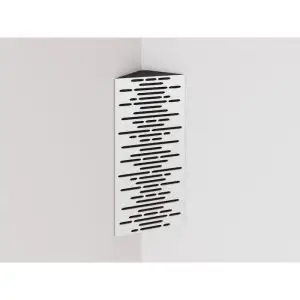
Bass traps are acoustic treatments specifically designed to absorb low frequencies and improve the acoustics of a room. They are usually placed in the corners of a room, where low frequencies accumulate the most. Because low tones have longer waves, they are more difficult to control than higher frequencies. Bass traps help absorb these sound waves, making the sound reproduction in your studio much more accurate.
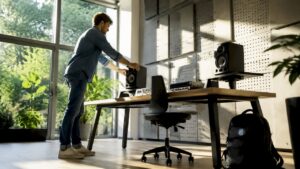
In your home studio, bass traps can keep you from getting an incorrect mix due to distorted bass sounds. This is especially important if you are producing or recording music, because you need to be able to hear the sound as precisely as possible. Using acoustic panels and bass traps will improve the sound reproduction in your studio, allowing you to mix more accurately.
How Acoustic Panels Improve Sound Quality in Your Studio
Acoustic panels play a crucial role in improving overall studio acoustics. While bass traps focus on low frequencies, acoustic panels help to absorb a wider range of frequencies and reduce reflections in the room. This results in a cleaner sound without annoying echoes or sound reflections that can disrupt your sound experience.
The combination of bass traps and acoustic panels is the best way to optimize sound quality in your studio. While bass stages handle the low frequencies, acoustic panels can absorb the mid and high frequencies. This creates balanced room acoustics, which is essential for accurate sound reproduction.
For home studio owners, it is important to know that acoustic panels not only help improve sound quality, but also create a quiet workspace. For example, if you want to block out a lot of external noise, acoustic panels can also help minimize outside noise.
The Best Placement for Bass Traps in Your Studio
Effective placement of your bass stage is essential to their performance. The corners of a room are where low frequencies accumulate the most. So it is important to place bass traps there so that they can effectively absorb bass frequencies.
You can choose to place bass traps in the four corners of the room. This ensures a balanced distribution of sound absorption. In addition, it is wise to place bass stairs at the back wall of your studio, especially if your speakers are located there. This prevents the low frequencies from accumulating behind your speakers and creates a clearer sound.
When using acoustic panels and bass traps in combination, it is important to position them in the right places. Acoustic panels can be attached to the walls or ceiling to reduce reflections, while bass stairs stay in the corners to absorb low frequencies. This strategic placement helps you get the most out of your acoustic treatments and achieve optimal sound quality.
Common Mistakes When Installing Bass Traps
While bass traps are effective in improving studio acoustics, they are often not installed correctly. Here are some common mistakes home studio owners can make:
- Improper Placement: Bass traps should be placed in the corners of the room, but sometimes they are installed on the sides of the walls or in other places. This reduces their effectiveness.
- Insufficient Treatment of the Room: Some people place just a few bass traps and hope that this is enough. However, it is important to treat the room as a whole, including the use of acoustic panels and diffusers, to optimally improve acoustics.
- Use of Insufficient Bass Traps: Sometimes not enough material is used to effectively absorb the low frequencies. This can lead to insufficient control of the bass in your mix.
- No Testing of Acoustics: It is important to retest the acoustics of your studio after installing the bass stairs and acoustic panels. This will help determine if additional treatments are needed.
By avoiding these common mistakes, you can maximize the effectiveness of your bass trap and improve your studio acoustics.
Conclusion
Improving the acoustics in your home studio is an investment that will pay off handsomely for both the quality of your music productions and your overall studio experience. Bass traps and acoustic panels are essential for controlling low frequencies and improving overall sound reproduction. By proper placement and avoiding common mistakes, you can achieve excellent acoustic treatment.
Are you ready to improve your studio acoustics? Start adding bass stairs and acoustic panels to your space and experience the difference for yourself. Visit our website to learn more about the best acoustic panels and bass traps for your home studio.