sE Electronics Z5600A II: A Modern Icon in the Studio
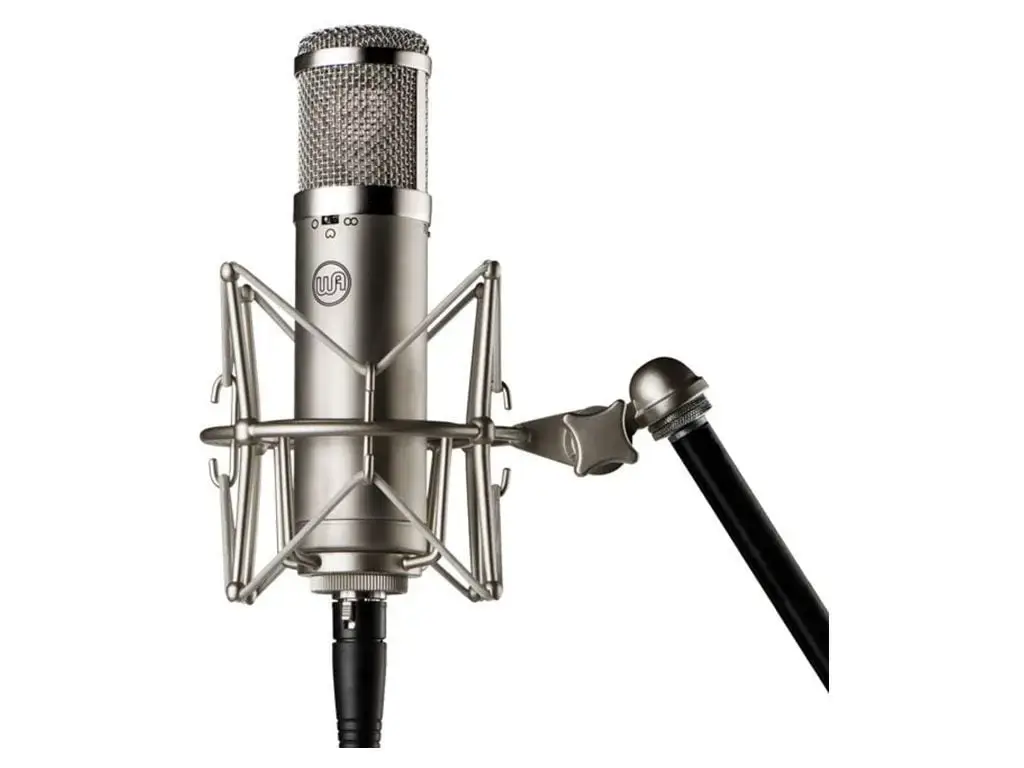
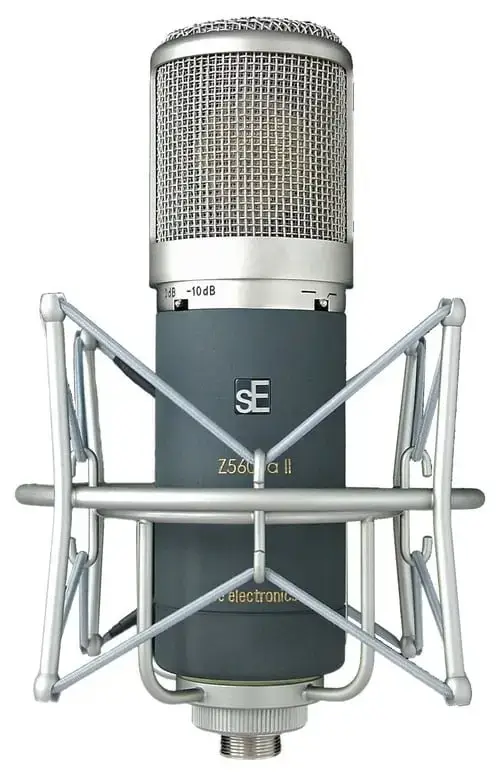
The SE Electronics Z5600A II has become a fixture in professional studios worldwide. It is a microphone that combines the romance of vintage tube technology with today’s reliability and performance. The heart of the microphone is a hand-built 1.07″ gold-sputtered capsule, which provides a silky smooth high and detailed low.
Unprecedented Flexibility with 9 Patterns
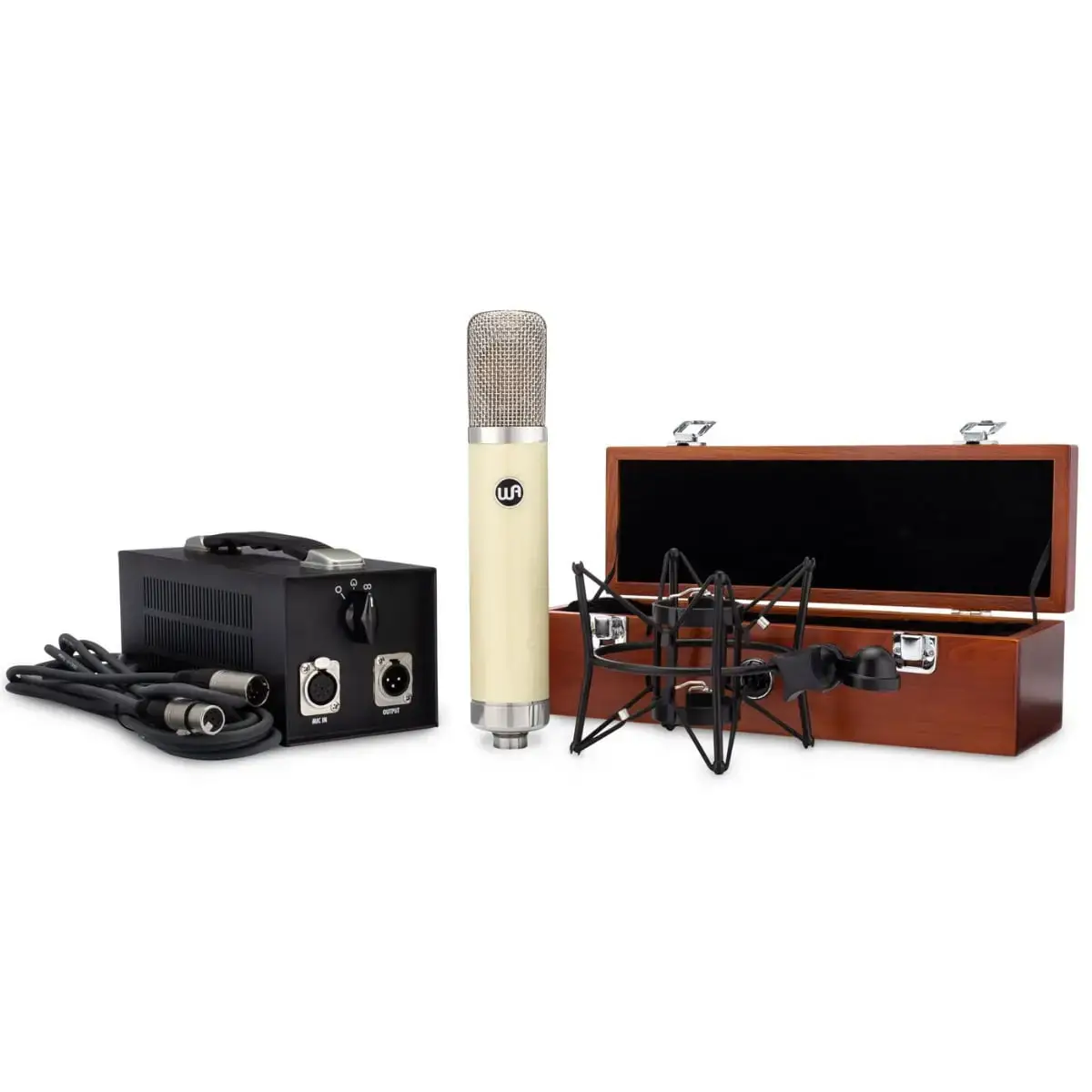
What makes the Z5600A II truly unique is the external power supply unit. On it you will find a rotary switch that allows you to choose from 9 different directional characteristics. This makes the microphone a true workhorse:
Cardioid: For perfect vocal recording with minimal ambient noise.
Omnidirectional: Ideal for capturing the natural reverberation of a room or a choir.
Figure-8: Indispensable for mid-side recordings or duets.
Intermediate steps: Give you the freedom to adjust the microphone’s “focus” exactly to the source.
Warm, Harmonic Saturation
Thanks to the carefully selected 12AX7 vacuum tube, the Z5600A II gives that sought-after “meatiness” to the sound. Vocals are given more authority and are immediately “up front” in the mix, while instruments such as acoustic guitars and strings are given a natural sheen without becoming sharp.
Robust and Complete
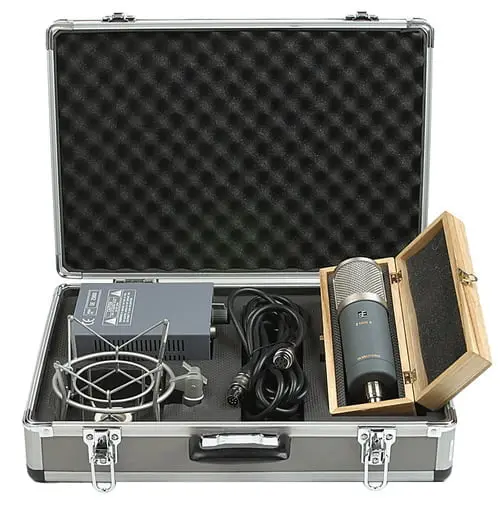
The Z5600A II is built like a tank. The all-metal housing protects the sensitive electronics from interference. The microphone comes as a complete package:
External Power Supply (PSU).
Deluxe wooden storage box for microphone.
Large aluminum flight case for the entire set.
Heavy-duty shockmount to eliminate unwanted vibrations.
Technical specifications
Type: Large diaphragm Tube Capacitor
Capsule: Hand-built 1.07″ gold-sputtered mylar
Tube: 12AX7
Directional characteristics: 9 (Omni, Cardioid, Figure-8 + 6 intermediate steps)
Frequency range: 20 Hz – 20 kHz
Max SPL: 135 dB
Self-noise: 12 dB(A)
Frequently asked questions FAQ
What tube does the Z5600a use?
The microphone uses a hand-selected 12AX7 tube (also known as ECC83) for preamplification, contributing to its characteristic warm and musical sound.
What is the frequency range?
20Hz to 20kHz, with a smooth response that has a slight presence boost around 10-12kHz for added clarity without sharpness.
What is the maximum SPL (sound pressure level)?
130dB SPL (at 0.5% THD), which is more than adequate for most recording situations, including loud sources such as drums or wind instruments.